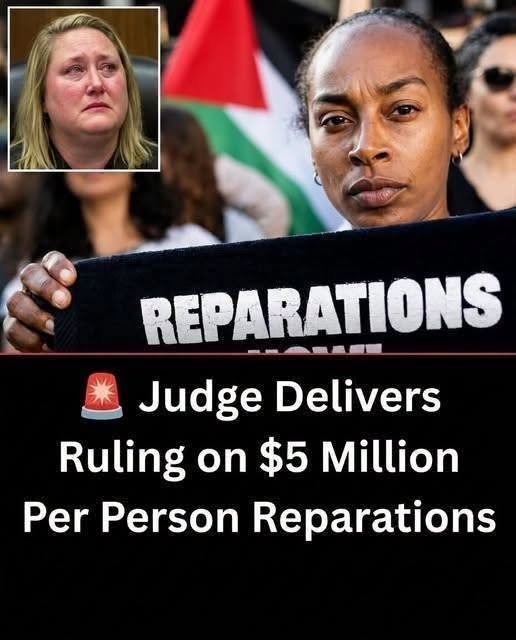
A legal challenge to San Francisco’s controversial reparations proposal has been dismissed at an early stage, after Superior Court Judge Joseph Quinn ruled that the lawsuit was premature. The plaintiffs, including the Pacific Legal Foundation, several San Francisco residents, and the Californians for Equal Rights Foundation, argued that the city should not use taxpayer money to fund programs they believe discriminate based on race. However, the judge’s decision did not determine whether the proposed reparations program is constitutional or whether race-based payments would ultimately be legal. Instead, the ruling focused on whether the lawsuit was ready for the court to consider.
The controversy centers on a San Francisco reparations proposal that included a recommendation for payments of up to $5 million to certain eligible Black residents, along with broader measures intended to address the effects of historical discrimination. Supporters say reparations could help confront long-term economic disparities linked to segregation, housing discrimination, exclusion, and other documented injustices. Critics, however, have questioned both the enormous potential cost to taxpayers and whether a government program based on race could comply with constitutional protections requiring equal treatment under the law. The $5 million figure quickly became the most widely discussed—and controversial—part of the proposal.
Judge Quinn sustained the city’s demurrer, a legal challenge arguing that the plaintiffs’ complaint did not establish a sufficient legal claim to move forward. Courts generally require a concrete government action or actual injury rather than a challenge based primarily on what officials might do in the future. Because the reparations proposal had not necessarily become a finalized, funded, and implemented program, the court found that the dispute was not yet ready for a definitive constitutional ruling. Importantly, Judge Quinn gave the plaintiffs permission to amend their complaint, meaning the case is not necessarily over. They can attempt to provide additional facts, identify a more concrete government action, or pursue an appeal.
The ruling therefore leaves the biggest question unresolved: Would an actual San Francisco reparations program based on race survive a constitutional challenge? The Pacific Legal Foundation has said it remains determined to pursue the case, while supporters of reparations argue that targeted policies may be justified by documented historical harms and their continuing economic effects. If San Francisco eventually adopts a specific program and allocates public funds, a future lawsuit could focus on the exact eligibility requirements and structure of that program. For now, Judge Quinn’s decision is primarily a procedural ruling—not a final answer on the legality of reparations—and the debate over taxpayer funding, racial equality, historical injustice, and constitutional protections is likely to continue.
