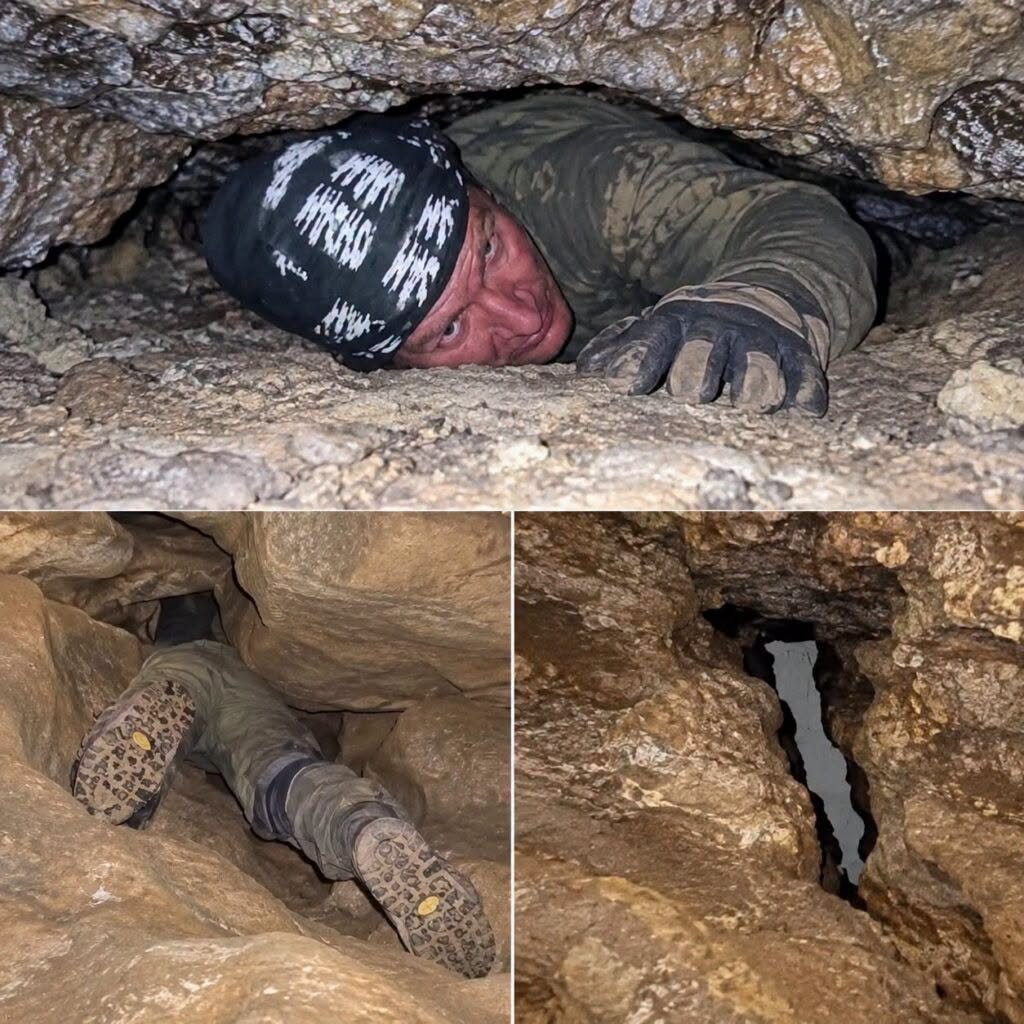
The forest was silent when Daniel saw the shape.
Not a uniform in sight. No sirens. No crowd. Just one man on a lonely trail, staring at what he first thought was an abandoned backpack… until it moved. One step closer, and his ordinary Saturday shattered. A torn jacket. Cracked lips. A single whispered word: “Wat…”
Daniel walked that trail to escape pressure, not to meet it. Yet when he found the man near the ravine, his calm choices became the difference between a tragedy and a second chance. He didn’t play hero on the cliff edge. He stayed back, called for help, described every landmark, and refused to become another victim. While professionals battled unstable ground, slick mud, and sudden rain, Daniel’s steady voice anchored a stranger to hope: “Help is coming. You’re not alone.”
In the aftermath, the story spread through the community—not as a tale of dramatic bravado, but of quiet responsibility. A man survived because someone noticed, paused, and cared enough to act safely. No special training. No uniform. Just attention, restraint, and a phone call. The lesson is unsettling and empowering at once: on any ordinary day, your decision to look twice might be the only lifeline someone has.
